Blog

  • Inside NEOM: What to Expect from Saudi Arabia’s $500 Billion Future City

    Inside NEOM: What to Expect from Saudi Arabia’s $500 Billion Future City

    Saudi Arabia is building a city from scratch in the desert. Not just any city, but a $500 billion experiment in how humans might live in the future. NEOM represents the most ambitious construction project on Earth right now, and it’s changing faster than headlines can keep up.

    Key Takeaway

    NEOM is a planned megacity in northwest Saudi Arabia covering 26,500 square kilometers. The project includes The Line, a 170-kilometer linear city, plus coastal developments, mountain resorts, and industrial zones. Originally announced in 2017 with a $500 billion budget, the project has scaled back some targets while construction continues on priority phases including Sindalah Island and sections of The Line.

    What NEOM Actually Means

    NEOM comes from two parts: “neo” meaning new in Greek, and “M” representing “mustaqbal,” the Arabic word for future. Crown Prince Mohammed bin Salman announced the project in October 2017 as part of Saudi Vision 2030, the kingdom’s plan to reduce oil dependency.

    The location matters. NEOM sits in Tabuk Province along the Red Sea coast, stretching inland toward Jordan and Egypt. This puts it at the crossroads of three continents, with 40% of the world’s population within a six-hour flight.

    The scale is hard to grasp. At 26,500 square kilometers, NEOM is larger than Slovenia and about the size of Belgium. For comparison, that’s 33 times bigger than New York City.

    The Line Changes Everything About Cities

    Inside NEOM: What to Expect from Saudi Arabia's $500 Billion Future City - Illustration 1

    The Line is NEOM’s most talked-about component. Imagine a mirrored skyscraper 500 meters tall, 200 meters wide, and 170 kilometers long. The original vision called for nine million residents living in a vertical city with no cars, no roads, and no carbon emissions.

    Here’s how it was supposed to work. Residents would access everything they need within a five-minute walk. High-speed rail running underneath the structure would connect end to end in 20 minutes. The entire city would run on renewable energy.

    The reality has shifted. In 2024, reports indicated the 2030 target dropped from housing 1.5 million people to just 300,000. Construction is focusing on a 2.4-kilometer initial section rather than the full 170-kilometer span.

    But work continues. Excavation has created massive trenches visible from space. Steel and concrete are going into the ground. Thousands of workers are on site daily.

    Breaking Down NEOM’s Major Components

    NEOM isn’t just The Line. The project includes multiple distinct zones, each with different purposes.

    Sindalah is a luxury island resort opening in 2024. It covers 840,000 square meters and will feature a yacht marina, hotels, and beach clubs. This is NEOM’s first completed section, designed to attract wealthy tourists and prove the project can deliver.

    Trojena is a year-round mountain destination in the Sarawat Mountains. Plans include an outdoor ski resort with artificial snow, luxury hotels, and the 2029 Asian Winter Games. Construction started in 2022.

    Oxagon is the industrial and logistics hub. This floating structure on the Red Sea will house manufacturing, innovation labs, and a port. The octagonal design gives it the name.

    The Line remains the centerpiece, even with scaled-back targets. It represents the boldest rethinking of urban design in the entire project.

    Here’s how these zones compare:

    Zone Primary Purpose Key Feature Status
    Sindalah Luxury tourism Yacht marina and resorts Opening 2024
    Trojena Mountain resort Ski slopes and winter sports Under construction
    Oxagon Industry and logistics Floating port city Early phase
    The Line Residential living 170km linear city Initial section underway

    The Technology Behind the Vision

    Inside NEOM: What to Expect from Saudi Arabia's $500 Billion Future City - Illustration 2

    NEOM promises technology that doesn’t fully exist yet. That’s part of what makes it controversial and fascinating.

    Artificial intelligence will run city operations. Sensors throughout The Line would monitor everything from air quality to crowd flow, adjusting systems in real time. No traffic lights needed when there are no cars.

    Robot density will exceed human density in some areas. Automated systems would handle construction, maintenance, delivery, and security. The project aims to become a testing ground for companies developing autonomous systems.

    Renewable energy will power everything. Solar farms and wind turbines are planned across NEOM’s desert terrain. Green hydrogen production is a major focus, with NEOM positioned to become a global exporter.

    Cloud seeding and desalination will provide water. The Red Sea offers unlimited saltwater, but turning it into drinking water at scale requires massive energy, which ties back to the renewable power infrastructure.

    “NEOM is not just about building a city. It’s about prototyping solutions for problems humanity will face globally in the next 50 years.” — NEOM Project Leadership

    What’s Really Happening on the Ground

    Construction progress is visible but uneven. Satellite imagery shows The Line’s excavation trenches cutting through the desert. Foundation work is underway on several structures.

    Worker camps house tens of thousands of laborers. These temporary cities include housing, medical facilities, and recreation areas. Reports indicate over 100,000 workers across all NEOM sites.

    Environmental concerns have emerged. The project site includes habitats for endangered species and migration routes for birds. Conservation groups have raised questions about impact assessments.

    Local communities faced displacement. The Huwaitat tribe lived in areas designated for NEOM. Relocation efforts have been controversial, with human rights organizations documenting concerns about the process.

    Budget realities are forcing priorities. The original $500 billion price tag hasn’t changed officially, but spending is being staged. Early phases get full funding while later sections await proof of concept.

    How NEOM Fits Into Saudi Arabia’s Future

    Vision 2030 drives everything. Saudi Arabia wants to reduce oil revenue from 50% of GDP to much less. Tourism, technology, and renewable energy need to replace petroleum income.

    NEOM is the flagship. Other megaprojects include Qiddiya (entertainment), the Red Sea Project (tourism), and Diriyah Gate (culture). But NEOM gets the most attention and the biggest budget.

    Foreign investment is critical. Saudi Arabia is courting international companies with tax breaks, regulatory freedom, and promises of a business-friendly environment. NEOM operates under different laws than the rest of Saudi Arabia.

    The timeline keeps shifting. Original targets had The Line partially occupied by 2025. Current estimates push meaningful residential occupancy to 2030 or beyond for initial sections.

    Practical Steps to Follow NEOM’s Development

    If you’re tracking this project for professional or investment reasons, here’s how to stay informed:

    1. Monitor official NEOM announcements through their website and social media channels. They release construction updates, job postings, and partnership announcements regularly.

    2. Watch for Saudi government statements during Vision 2030 progress reports. These typically happen quarterly and include budget allocations.

    3. Track satellite imagery through services like Google Earth or commercial providers. The scale of construction makes changes visible from space.

    4. Follow regional news outlets based in Saudi Arabia and the Gulf. They often break stories before international media picks them up.

    5. Pay attention to contractor announcements. Major construction firms, technology companies, and consultancies working on NEOM often publicize their involvement.

    Who’s Actually Building This

    The project involves hundreds of companies from dozens of countries. Here are the major players:

    • NEOM Company is the master developer, wholly owned by Saudi Arabia’s Public Investment Fund
    • Bechtel is handling program management for The Line
    • AECOM provides design and engineering services
    • Parsons is working on infrastructure planning
    • Local Saudi contractors are handling much of the actual construction

    International architects have contributed designs. Morphosis, Coop Himmelb(l)au, and other prominent firms have presented concepts for various NEOM zones.

    Technology partnerships include companies like:
    – Siemens for smart infrastructure
    – Air Products for green hydrogen facilities
    – EDF for renewable energy systems
    – Multiple AI and robotics firms for automation

    The Challenges Nobody’s Solved Yet

    Some problems don’t have clear solutions. The Line’s design creates engineering puzzles that have never been attempted at this scale.

    Vertical transportation is one. Moving people up and down in a 500-meter-tall building is solved technology. But moving them efficiently along 170 kilometers while also going up and down? That’s new.

    Climate control in a glass and steel structure in the desert is another. Summer temperatures in Tabuk Province exceed 40°C (104°F). Keeping the interior comfortable without massive energy use requires innovation.

    Water and waste management at this density needs new approaches. Traditional city infrastructure spreads horizontally. The Line’s vertical concentration changes everything about utilities.

    Social questions remain unanswered. Will people actually want to live in a 200-meter-wide building? How do you create neighborhoods and community in such an unusual form? These aren’t engineering problems, they’re human ones.

    What This Means for Visitors and Investors

    Tourism opportunities are coming first. Sindalah’s 2024 opening will let people experience part of NEOM before residential sections are ready. Luxury hospitality is the entry point.

    Investment zones are operating now. Companies can establish regional headquarters in NEOM with special economic zone benefits. Some international firms have already set up operations.

    Job opportunities span every industry. NEOM is hiring everyone from construction workers to AI researchers. The project website lists thousands of open positions at any given time.

    Real estate details remain vague. How people will buy, rent, or access housing in The Line hasn’t been fully explained. The initial phase will likely house workers and early adopters before opening to general residents.

    Here’s what different groups should watch for:

    • Tech professionals: AI, robotics, and clean energy roles are expanding fastest
    • Construction specialists: Massive demand for skilled trades and project managers
    • Hospitality workers: Hotels and tourism infrastructure need staffing
    • Investors: Special economic zones offer tax advantages and ownership structures
    • Researchers: Universities and innovation labs are being established

    Separating Hype From Reality

    Media coverage swings between extremes. Some outlets present NEOM as an impossible fantasy. Others treat every announcement as guaranteed fact.

    The truth sits in between. Parts of NEOM are absolutely being built. Sindalah is real and opening soon. Trojena has visible construction progress. The Line’s foundations are going into the ground.

    But timelines have slipped. Budgets have been reprioritized. The scope has narrowed from original announcements. That’s normal for megaprojects, but it means taking new claims with appropriate skepticism.

    Comparing to historical megaprojects helps calibrate expectations. Dubai’s Palm Islands took over a decade. China’s new cities often sit partially empty for years before filling up. Brazil’s capital Brasília took four years of intense construction but decades to fully develop.

    NEOM is attempting something more ambitious than any of those. A 10 to 20-year timeline for meaningful completion seems more realistic than the aggressive early targets.

    Why This Project Matters Beyond Saudi Arabia

    Urban planning is watching closely. If The Line works, it could influence how cities grow worldwide. Linear cities solve some problems traditional circular cities create.

    Climate technology needs testing grounds. NEOM’s renewable energy and green hydrogen ambitions could accelerate development of systems needed globally.

    Construction innovation will spread. New techniques developed for NEOM’s challenges will become available to other projects. That’s how megaprojects often justify their costs.

    Geopolitical shifts follow economic ones. If Saudi Arabia successfully diversifies away from oil, it changes Middle Eastern power dynamics and global energy markets.

    Where NEOM Stands Right Now

    As of 2025, NEOM is firmly in the construction phase. It’s past pure planning but far from completion.

    Sindalah represents the first tangible result visitors can experience. Its opening proves NEOM can finish something, which matters for credibility.

    The Line’s scaled-back 2030 targets are more achievable. Building a 2.4-kilometer section housing 300,000 people is still massive, but it’s not impossible.

    Funding continues to flow. Saudi Arabia’s Public Investment Fund has deep pockets and political will behind the project. Budget constraints are slowing things down, not stopping them.

    International participation remains strong. Despite controversies, major companies continue signing contracts and sending staff to work on NEOM.

    Making Sense of Saudi Arabia’s Biggest Bet

    NEOM is easier to understand as an experiment than a city. Saudi Arabia is testing whether money, technology, and political will can create entirely new ways of living.

    Some parts will succeed. Others will fail or transform into something different than originally imagined. That’s how ambitious projects work.

    For tech enthusiasts, NEOM offers a real-world laboratory for ideas that usually stay theoretical. For urban planners, it’s a case study in progress. For investors, it’s a high-risk, high-reward opportunity. For skeptics, it’s a reminder that grand visions often meet hard realities.

    The project is real. Billions are being spent. Thousands are working. Structures are rising. But the final form will likely look different than the renderings suggest.

    Keep watching. NEOM’s story is still being written, and the next few years will determine whether this becomes a model for future cities or a cautionary tale about ambition outpacing practicality.

  • How Much Does a Week in Saudi Arabia Really Cost? Budget Breakdown for Every Travel Style

    How Much Does a Week in Saudi Arabia Really Cost? Budget Breakdown for Every Travel Style

    Saudi Arabia opened to tourists just a few years ago, and travelers still wonder if this kingdom fits their budget. The good news? You can visit for less than you think, or splurge on luxury if that’s your style.

    Key Takeaway

    A week in Saudi Arabia costs between $800 and $3,500 per person depending on your travel style. Budget travelers spend around $115 daily, mid-range visitors pay $200-300, and luxury seekers invest $500+ per day. Flights, accommodation, and transportation make up 70% of total expenses, while visa fees add a flat $135 to every trip.

    Breaking Down Your Saudi Arabia Trip Budget

    Understanding how much does a trip to Saudi Arabia cost starts with separating fixed expenses from variable ones. Fixed costs include your visa and flights. Variable costs depend entirely on your choices for hotels, meals, and activities.

    The Saudi tourist visa costs $135 for most nationalities and remains valid for one year with multiple entries. This fee stays the same whether you visit for three days or three weeks.

    Flights represent your biggest variable. Prices swing wildly based on your departure city, season, and booking timing.

    From North America, expect $600 to $1,200 round trip during shoulder season. European travelers often find deals between $300 and $700. Asian visitors enjoy the lowest fares, sometimes under $400 from major hubs.

    Peak season runs from November through March when temperatures drop to comfortable levels. Flights during this window cost 30-40% more than summer bookings.

    Accommodation Costs Across Different Budgets

    How Much Does a Week in Saudi Arabia Really Cost? Budget Breakdown for Every Travel Style - Illustration 1

    Hotels in Saudi Arabia range from affordable chains to opulent five-star properties that rival anything in Dubai.

    Budget Options ($30-60 per night)
    – Local hotel chains like Narcissus and Millennia
    – International budget brands (Ibis, Holiday Inn Express)
    – Clean, functional rooms with breakfast included
    – Usually located 15-20 minutes from city centers

    Mid-Range Choices ($80-150 per night)
    – Marriott, Hilton, and Radisson properties
    – Central locations near attractions
    – Pools, gyms, and business facilities
    – Often better value than budget options when factoring in location

    Luxury Experiences ($200-800 per night)
    – Ritz-Carlton, Four Seasons, and boutique hotels
    – Premium locations in Riyadh, Jeddah, and AlUla
    – World-class service and amenities
    – Some properties offer cultural experiences and desert excursions

    Riyadh tends to run 10-15% cheaper than Jeddah for equivalent quality. AlUla commands premium rates due to limited inventory and high demand around archaeological sites.

    Booking directly through hotel websites often yields better rates than third-party platforms, especially for extended stays.

    Daily Food Expenses That Fit Every Budget

    Saudi food culture offers incredible variety at every price point. Street food and local restaurants serve authentic meals for a fraction of international chain prices.

    A traditional Saudi breakfast of ful, falafel, and fresh bread costs $3-5 at neighborhood spots. The same meal at a hotel buffet runs $20-30.

    Here’s what you’ll spend on meals per day:

    Budget Level Breakfast Lunch Dinner Daily Total
    Budget $3-5 $5-8 $8-12 $16-25
    Mid-Range $8-12 $12-20 $20-35 $40-67
    Luxury $15-25 $25-45 $50-100 $90-170

    Local restaurants called “matabikh” serve generous portions of rice, grilled meats, and vegetables for $8-15 per person. These family-run spots offer the most authentic experience and best value.

    International chains like McDonald’s, Starbucks, and KFC charge similar prices to Western countries. A Big Mac meal costs around $7.

    Supermarkets stock familiar brands at reasonable prices. Self-catering travelers can prepare meals for $5-10 per day.

    Pro tip from seasoned travelers: Eat your main meal at lunch when many restaurants offer set menus at 30-40% below dinner prices. Save money and experience how locals dine.

    Transportation Costs Within Saudi Cities

    How Much Does a Week in Saudi Arabia Really Cost? Budget Breakdown for Every Travel Style - Illustration 2

    Getting around Saudi cities costs less than most travelers expect, thanks to ride-sharing apps and improving public transit.

    Uber and Careem (Local Ride-Sharing)

    These apps dominate urban transportation. Prices remain remarkably affordable:
    – Short city trips (3-5 km): $2-4
    – Cross-city journeys (15-20 km): $8-12
    – Airport transfers: $15-25 depending on city

    Drivers accept cash or card through the app. Tipping isn’t expected but appreciated.

    Public Transportation

    Riyadh’s metro opened recently with six lines covering major attractions. Single rides cost $0.50-1.30 based on distance. Day passes run around $4.

    Jeddah lacks metro service but operates bus routes for $0.50 per trip. Routes can be confusing for visitors, making ride-sharing more practical.

    Rental Cars

    Daily rates start at $25 for economy cars and climb to $80 for SUVs. Gas costs roughly $0.60 per liter, making driving economical for groups.

    International driving permits work alongside your home license. Traffic in Riyadh and Jeddah can be intense during rush hours.

    Intercity Travel

    Saudi Arabia’s size means long distances between major cities:
    – Riyadh to Jeddah flight: $60-120 (90 minutes)
    – Same route by bus: $20-30 (10 hours)
    – High-speed rail Riyadh to Dammam: $25-40 (3.5 hours)

    Flying makes sense for time-conscious travelers. Buses work well for budget-focused visitors who don’t mind longer journeys.

    Activity and Attraction Expenses

    Saudi Arabia mixes free cultural sites with paid experiences that range from affordable to premium.

    Free Attractions
    – Historic Jeddah’s Al-Balad district
    – Riyadh’s Diriyah Gate (exterior and public areas)
    – Corniche waterfronts in Jeddah and Dammam
    – Public beaches along the Red Sea
    – Traditional souqs in every major city

    Paid Experiences

    Museum entry fees run $5-15 per person. The National Museum in Riyadh charges around $13 and offers comprehensive Saudi history across eight halls.

    Desert tours represent the biggest activity expense:
    – Half-day desert safari: $60-100 per person
    – Full-day AlUla tour with lunch: $150-250
    – Multi-day desert camping: $300-600
    – Edge of the World day trip: $80-120

    Cultural experiences like traditional coffee ceremonies, henna painting, and cooking classes cost $30-80 per person.

    Water activities along the Red Sea coast include:
    – Snorkeling trips: $40-70
    – Scuba diving (certified): $80-150
    – Boat tours: $50-100
    – Beach club day passes: $30-60

    Sample Budgets for Different Travel Styles

    Let’s break down what a week in Saudi Arabia costs based on three common travel approaches.

    Budget Traveler (7 Days): $800-950 Total

    1. Flights: $400 (off-season, advance booking)
    2. Visa: $135
    3. Accommodation: $280 (budget hotel, $40/night)
    4. Food: $140 ($20/day, local restaurants)
    5. Transportation: $70 (ride-sharing, public transit)
    6. Activities: $100 (free sites plus two paid tours)
    7. Miscellaneous: $50 (souvenirs, snacks)

    This budget requires advance planning and willingness to use local transport. You’ll eat where Saudis eat and stay in functional rather than fancy hotels.

    Mid-Range Traveler (7 Days): $1,800-2,200 Total

    1. Flights: $600 (shoulder season)
    2. Visa: $135
    3. Accommodation: $700 (comfortable hotel, $100/night)
    4. Food: $350 ($50/day, mix of local and international)
    5. Transportation: $200 (ride-sharing, one rental car day)
    6. Activities: $400 (multiple tours and experiences)
    7. Miscellaneous: $150 (shopping, extras)

    This range offers comfort without extravagance. You’ll stay in recognizable hotel brands, eat varied meals, and join organized tours.

    Luxury Traveler (7 Days): $3,500-6,000+ Total

    1. Flights: $1,200 (business class or peak season)
    2. Visa: $135
    3. Accommodation: $2,100 (luxury hotel, $300/night)
    4. Food: $700 ($100/day, fine dining)
    5. Transportation: $400 (private drivers, premium car rental)
    6. Activities: $1,000 (private tours, exclusive experiences)
    7. Miscellaneous: $500 (high-end shopping, spa treatments)

    Luxury travelers enjoy five-star properties, private guides, and VIP experiences. This budget includes the best hotels, restaurants, and personalized service.

    Money-Saving Strategies That Actually Work

    Smart travelers cut costs without sacrificing experience by following these proven approaches:

    Book Accommodation Strategically

    Hotels in Saudi Arabia often run promotions during summer months (June through August) when domestic travel slows. Rates drop 40-50% compared to winter.

    Loyalty programs matter here. Major chains operate dozens of properties across the kingdom, making point accumulation worthwhile.

    Time Your Visit Wisely

    Shoulder seasons (April-May and September-October) offer the sweet spot of reasonable weather and lower prices. Flights cost less, hotels offer deals, and attractions feel less crowded.

    Avoid visiting during Hajj season when accommodation prices in Jeddah and Makkah spike dramatically.

    Eat Like a Local

    Your food budget shrinks dramatically when you skip hotel restaurants and international chains. Local spots serve better food at one-third the price.

    Shawarma stands offer filling meals for $3-4. Traditional restaurants serve family-style platters that easily feed two people for $15-20.

    Use Ride-Sharing Apps Exclusively

    Regular taxis cost 2-3 times more than Uber or Careem for identical trips. Apps also eliminate language barriers and pricing negotiations.

    Split rides with travel companions to cut per-person costs even further.

    Book Tours Directly

    Tour operators charge 20-30% less when you book directly through their websites or WhatsApp rather than through hotel concierges or third-party platforms.

    Group tours cost significantly less than private experiences. A group desert tour runs $60-80 while private versions start at $200.

    Hidden Costs and Unexpected Expenses

    Several expenses catch first-time visitors off guard. Planning for these prevents budget surprises.

    Communication Costs

    Local SIM cards cost $15-30 for tourist packages with data. Airport kiosks charge premium rates, so buy SIM cards at city shops for better deals.

    International roaming from Western carriers often costs $10-15 per day, adding $70-105 to a week-long trip.

    Tipping Culture

    Saudi Arabia doesn’t have strong tipping expectations, but hospitality workers appreciate gratuity:
    – Restaurant servers: 10% for good service
    – Hotel porters: $2-3 per bag
    – Drivers: Round up to nearest $5
    – Tour guides: $10-20 per day

    Budget an extra $50-100 per week for tips.

    Dress Code Compliance

    Women need modest clothing covering shoulders and knees. Men should avoid shorts in traditional areas.

    If you arrive unprepared, buying appropriate clothing costs $30-80 at local shops. Pack correctly to avoid this expense.

    Travel Insurance

    Comprehensive coverage costs $40-80 per week depending on age and coverage limits. This protects against medical emergencies, trip cancellations, and lost belongings.

    Saudi Arabia requires proof of health insurance for visa applications, making this a necessary rather than optional expense.

    Regional Price Variations Across Saudi Cities

    Costs fluctuate based on which cities you visit. Understanding regional differences helps optimize your budget.

    Riyadh (Capital City)

    Hotels and restaurants target business travelers, offering good value for quality. Competition keeps prices reasonable.

    Attractions concentrate in specific districts, reducing transportation costs between sites.

    Jeddah (Red Sea Coast)

    Beach access and coastal location drive prices 10-20% higher than Riyadh for equivalent services.

    Seafood restaurants and water activities add unique expenses not found in inland cities.

    AlUla (Archaeological Region)

    Limited hotel inventory means higher accommodation costs. Budget options barely exist, with most properties starting at $150 per night.

    Tours to Hegra and other sites require guides, adding $100-200 per day to budgets.

    Dammam and Eastern Province

    Often overlooked by tourists, the Eastern Province offers the kingdom’s best value. Hotels cost 20-30% less than Riyadh for similar quality.

    Fewer organized tours mean more independent exploration, which cuts costs but requires more planning.

    Comparing Saudi Arabia to Regional Destinations

    Understanding how Saudi costs stack up against neighboring countries helps set realistic expectations.

    Dubai and Abu Dhabi run 30-40% more expensive than Saudi cities for equivalent experiences. A mid-range Dubai hotel costing $180 per night matches a $120 Saudi property in quality.

    Jordan offers similar pricing to Saudi Arabia for accommodation and food, but activities cost more due to established tourism infrastructure and entrance fees at sites like Petra.

    Egypt significantly undercuts Saudi prices, with budget travelers spending 50-60% less for comparable experiences.

    Oman’s costs align closely with Saudi Arabia, though Oman offers more budget accommodation options in tourist areas.

    Planning Your Budget Timeline

    Creating a realistic budget requires understanding when to book what.

    6-8 Months Before Travel

    1. Research flight prices and set alerts
    2. Apply for Saudi tourist visa ($135)
    3. Book accommodation if traveling during peak season (November-March)

    3-4 Months Before Travel

    1. Purchase flights when prices hit acceptable levels
    2. Reserve popular tours and experiences
    3. Arrange travel insurance ($40-80)

    1 Month Before Travel

    1. Book remaining accommodation
    2. Plan daily itineraries to estimate transportation costs
    3. Notify credit card companies of travel dates

    Upon Arrival

    1. Purchase local SIM card ($15-30)
    2. Download Uber and Careem apps
    3. Exchange small amount of cash for emergencies ($100-200)

    Making Your Saudi Budget Work for You

    How much does a trip to Saudi Arabia cost? The real answer depends entirely on your choices and priorities.

    A solo budget traveler spending one week can manage on $800-950 total. Couples splitting costs reduce per-person expenses by 30-40% on accommodation and transportation. Families benefit from connecting rooms and group tour discounts.

    The key to successful budgeting lies in honest assessment of your travel style. Don’t force yourself into budget accommodation if you value comfort. Equally, don’t overspend on luxury hotels if you’ll barely use the room.

    Saudi Arabia rewards travelers who plan ahead, eat local food, and use ride-sharing apps. These simple choices cut costs dramatically while enhancing cultural immersion.

    Start by determining your total available budget, subtract fixed costs like flights and visa, then allocate remaining funds across accommodation, food, and activities based on your priorities. This approach ensures you spend money on experiences that matter most to you rather than defaulting to generic tourist patterns.

    The kingdom offers remarkable value compared to regional destinations, especially for travelers willing to step outside familiar comfort zones and embrace local experiences.

  • 7 Hidden Gems in Saudi Arabia Every Pilgrim Should Visit After Umrah

    7 Hidden Gems in Saudi Arabia Every Pilgrim Should Visit After Umrah

    Completing Umrah fills your heart with peace and gratitude. But your spiritual journey doesn’t have to end when you leave the holy mosques. Saudi Arabia holds countless sites that deepen your connection to Islamic history and culture. Many pilgrims rush home without realizing what treasures await just beyond Makkah and Madinah.

    Key Takeaway

    Saudi Arabia offers pilgrims meaningful destinations beyond the two holy cities. Sites like Taif, Jeddah, AlUla, and Tabuk combine Islamic heritage with natural beauty. Most locations sit within a few hours of Makkah or Madinah, making them perfect additions to your pilgrimage. Plan three to five extra days to visit these spiritually significant and historically rich places without rushing.

    Why Extend Your Stay Beyond the Holy Cities

    Most pilgrims book flights that leave immediately after completing their rituals. This approach misses an incredible opportunity. Saudi Arabia has invested billions in preserving Islamic heritage sites and opening them to visitors. The country now welcomes religious tourists who want to walk where the Prophet Muhammad (peace be upon him) walked and see where pivotal moments in Islamic history unfolded.

    Your Umrah visa typically allows stays of up to 30 days. Using just a fraction of that time lets you visit places that textbooks mention but few people actually see. These sites aren’t tourist traps. They’re genuine historical locations that scholars have authenticated and governments have protected.

    The infrastructure has improved dramatically. Roads connect major sites smoothly. Hotels cater to Muslim travelers with prayer facilities and halal dining. English signage appears at most historical locations. You won’t feel lost or culturally adrift.

    Taif: The City of Roses and Prophetic History

    7 Hidden Gems in Saudi Arabia Every Pilgrim Should Visit After Umrah - Illustration 1

    Taif sits about 90 minutes southeast of Makkah in the mountains. The climate feels noticeably cooler than the plains below. This city holds deep significance in the Prophet’s life. When Makkah’s leaders rejected his message, he traveled to Taif seeking support. The people there treated him harshly, throwing stones until his feet bled. Angel Jibreel appeared, offering to destroy the city, but the Prophet refused and prayed for their guidance instead.

    You can visit the area where this event occurred. A small mosque marks the spot where he sought refuge in a garden. Standing there, you feel the weight of his mercy and patience. The experience transforms an abstract story into something tangible.

    Taif also offers:

    • Al Rudaf Park, where families gather in pleasant weather
    • Traditional souks selling rose products and honey
    • Shubra Palace, showcasing regional architecture
    • Fruit farms producing pomegranates, grapes, and figs

    The rose water produced here gets used in Zamzam distribution and mosque cleaning. Buying some connects you to ongoing acts of worship at the holy sites.

    Planning Your Taif Visit

    Rent a car or hire a driver from Makkah. The mountain road offers stunning views but requires careful driving. Budget a full day to see the main sites without rushing. Stay overnight if you want to experience the evening climate, which drops significantly compared to Makkah.

    Hotels range from budget to luxury. Book ahead during peak Umrah seasons (Ramadan and summer holidays). Most properties include breakfast and have restaurants serving traditional Saudi cuisine.

    Jeddah: Gateway City with Layers of History

    Jeddah serves as the main entry point for pilgrims arriving by air. Most people pass through quickly on their way to Makkah. That’s a mistake. This coastal city blends ancient Islamic heritage with modern Saudi culture.

    The historic district, Al Balad, earned UNESCO World Heritage status. Coral stone buildings with intricate wooden balconies line narrow alleys. These structures date back centuries, built by merchants who traded across the Red Sea. Walking these streets, you see how Muslim traders connected continents and spread Islamic culture through commerce.

    The Jeddah Corniche stretches along the coast for miles. Families gather here in the evenings. The King Fahd Fountain shoots water 260 meters into the air, visible from across the city. Watching sunset prayers at one of the corniche mosques, with the sea breeze and fountain backdrop, creates a memorable experience.

    “Jeddah taught me that Islamic civilization wasn’t just about worship. It was about building communities, facilitating trade, and creating beauty that honored Allah.” (Pilgrim reflection shared at a heritage center)

    What Makes Jeddah Worth Your Time

    The city offers experiences you won’t find in Makkah or Madinah:

    1. Visit museums showcasing Islamic art and regional history
    2. Eat at restaurants representing cuisines from across the Muslim world
    3. Shop in traditional souks where bargaining remains an art form
    4. See how modern Saudis balance tradition with contemporary life

    Jeddah also serves as a base for Red Sea activities. Some pilgrims enjoy boat tours or coastal walks after the intensity of Umrah rituals. The ocean provides a different kind of reflection space.

    AlUla: Where Prophetic Stories Came Alive

    7 Hidden Gems in Saudi Arabia Every Pilgrim Should Visit After Umrah - Illustration 2

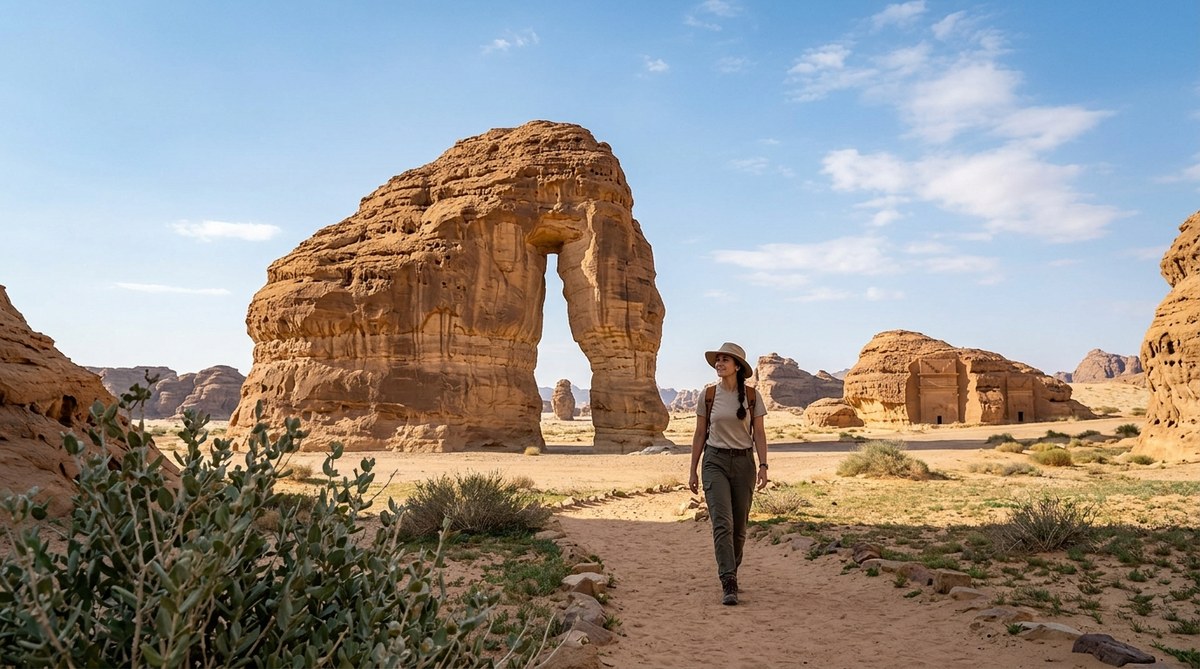
    AlUla sits in northwestern Saudi Arabia, about 300 kilometers from Madinah. This region appears in the Quran as the land of Thamud, the people of Prophet Salih (peace be upon him). They carved elaborate homes into rock faces but rejected Allah’s message despite clear signs. Their story serves as a warning about arrogance and disbelief.

    The archaeological site of Hegra (Mada’in Salih) preserves these ancient dwellings. Walking among the tombs and structures, you see the technical skill these people possessed. Yet all their abilities couldn’t save them from the consequences of rejecting truth. The Quran tells us not to enter these ruins except in a state of weeping and reflection. Visitors report feeling humbled by the physical evidence of divine judgment.

    Beyond the Thamud sites, AlUla contains:

    • Ancient trading post ruins from the incense route
    • Rock formations that inspire awe at Allah’s creation
    • Traditional mud brick villages showing how people lived for centuries
    • Museums explaining the region’s role in Islamic history

    The Saudi government has developed AlUla carefully, balancing tourism with preservation. Guides trained in Islamic history lead tours. They explain the religious significance alongside archaeological details.

    Visiting AlUla Responsibly

    This site requires respectful behavior. Remember you’re visiting a place Allah mentions as an example for believers. Some scholars recommend reciting specific duas when viewing ruins of destroyed nations. Check with your local imam before traveling if you have concerns about the permissibility of visiting such sites.

    Flights connect AlUla to Jeddah and Riyadh. You can also drive from Madinah, though the journey takes several hours. Plan at least two days to see the main sites properly. The desert climate means extreme heat in summer and cold nights in winter. Spring and fall offer the most comfortable conditions.

    Tabuk: Following the Prophet’s Footsteps

    Tabuk holds significance as the site of the Prophet’s final military expedition. In the ninth year after Hijrah, he led a large force north to confront Roman threats. The journey tested the companions’ faith, as they traveled during intense heat with limited resources. Those who made excuses to avoid the expedition faced severe criticism in Quranic verses.

    The city today preserves several sites connected to this expedition:

    • The mosque where the Prophet led prayers
    • The well from which his army drank
    • Nearby valleys mentioned in hadith collections

    Visiting these locations helps you appreciate the physical challenges the early Muslims faced. The desert landscape hasn’t changed much. You understand why the hypocrites hesitated and why those who persevered earned such high status.

    Tabuk also offers natural beauty. The region receives more rain than central Arabia, supporting date palm groves and agricultural areas. In winter, nearby mountains sometimes see snow, a rare sight in Saudi Arabia.

    Practical Comparison of Post-Umrah Destinations

    Destination Distance from Makkah Best Season Days Needed Key Attraction Type
    Taif 90 km Year-round 1-2 Prophetic history, nature
    Jeddah 75 km October-April 2-3 Islamic heritage, culture
    AlUla 750 km October-March 2-3 Quranic sites, archaeology
    Tabuk 850 km October-April 2-3 Prophetic expedition sites
    Madinah 450 km Year-round 3-7 Second holiest city

    Madinah: The Luminous City

    While not hidden, Madinah deserves more time than many pilgrims allocate. Most spend just a day or two, rushing between Makkah obligations and flights home. The city rewards longer stays with deeper spiritual experiences.

    The Prophet’s Mosque expands constantly to accommodate growing numbers of visitors. Yet finding peaceful moments remains possible. Early morning hours before Fajr offer quiet time for personal reflection. The Rawdah, the garden area between the Prophet’s house and pulpit, provides a special place for dua. Praying there requires patience and planning, but pilgrims describe it as a highlight of their journey.

    Beyond the main mosque, Madinah contains numerous sites:

    • Quba Mosque, the first mosque built in Islam
    • Uhud Mountain, site of the famous battle
    • The Seven Mosques area near the Battle of the Trench location
    • Jannat al-Baqi cemetery, where many companions rest

    Each location connects to specific events in Islamic history. Visiting with knowledge transforms sightseeing into spiritual education. Consider hiring a knowledgeable guide or joining group tours that explain the significance of each site.

    Making the Most of Madinah

    The city has a gentler pace than Makkah. You can walk comfortably between many sites. The weather feels slightly cooler due to the higher elevation. Date palm groves surrounding the city create a beautiful landscape, fulfilling the Prophet’s description of Madinah’s natural setting.

    Accommodation ranges from simple hotels to luxury properties. Staying close to the Prophet’s Mosque lets you attend multiple prayer times easily. Many pilgrims find the Tahajjud prayers in Madinah particularly moving. The recitation quality and the knowledge that you’re praying where the Prophet prayed creates powerful moments.

    Organizing Your Extended Pilgrimage

    Planning visits to multiple sites requires some strategy. Here’s a logical approach:

    1. Complete your Umrah rituals in Makkah first, fulfilling your primary obligation
    2. Visit Taif for a day trip or overnight stay while still based in Makkah
    3. Travel to Jeddah for 2-3 days, using it as a cultural break
    4. Fly or drive to Madinah for the spiritual centerpiece of your extension
    5. Add AlUla or Tabuk if you have additional time and interest

    This sequence minimizes backtracking and groups geographically close destinations. It also builds from lighter cultural experiences to deeper spiritual ones, ending with Madinah as your final stop before returning home.

    Budgeting for Extended Travel

    Costs vary significantly based on your choices. Budget travelers can manage on $50-75 per day outside the holy cities by choosing modest hotels and eating at local restaurants. Mid-range travelers should budget $100-150 daily. Luxury experiences, especially in AlUla, can exceed $300 per day.

    Transportation represents a major expense. Domestic flights save time but cost more than buses or shared taxis. Renting a car offers flexibility but requires confidence driving in Saudi Arabia. Many pilgrims find hiring a driver for multi-day trips offers the best balance of cost and convenience.

    Common Concerns About Extending Your Stay

    Will I face visa issues? Your Umrah visa typically allows 30 days. Confirm the exact duration when you receive your visa. Overstaying results in fines and potential future travel restrictions.

    Is it safe to travel beyond the main cities? Saudi Arabia has low crime rates. The government prioritizes pilgrim safety. Standard travel precautions apply. Keep valuables secure, stay aware of your surroundings, and follow local guidance.

    Can women travel to these sites? Yes. Women should maintain modest dress throughout Saudi Arabia. Having a mahram (male guardian) makes logistics easier but isn’t always legally required for every location. Check current regulations, as rules evolve.

    Will I find halal food easily? Saudi Arabia is an Islamic country. All public restaurants serve halal food. Prayer facilities exist at most tourist sites, hotels, and shopping areas.

    Do I need Arabic language skills? English works in major tourist areas and hotels. Learning basic Arabic phrases enhances your experience and shows respect. Translation apps help with menus and signs.

    Mistakes to Avoid When Planning Extended Travel

    Mistake Why It Happens Better Approach
    Overpacking the schedule Excitement about seeing everything Choose 2-3 destinations and see them properly
    Skipping research Assuming all sites are similar Read about each location’s specific significance
    Traveling during extreme weather Limited vacation time Check seasonal climate patterns before booking
    Not booking accommodation ahead Expecting availability like home Reserve hotels during peak Umrah periods
    Ignoring prayer times in planning Secular travel habits Build schedule around five daily prayers

    Building Spiritual Benefit Into Your Travels

    Visiting Islamic heritage sites differs from ordinary tourism. Your intention shapes the experience. Approach each location as an opportunity to strengthen your faith and understanding.

    Before visiting historical sites, read the relevant Quranic passages or hadith. Knowing the stories makes the physical locations meaningful. When you stand where the Prophet stood or see landscapes mentioned in revelation, the connection deepens your appreciation for Islamic history.

    Maintain your worship routine. Traveling shouldn’t reduce your commitment to five daily prayers, Quran recitation, and dhikr. In fact, visiting blessed lands should increase your devotion. Many pilgrims report that maintaining discipline while traveling requires effort but yields spiritual rewards.

    Travel with good companions when possible. Shared experiences create bonds and provide mutual encouragement in worship. Group discussions about what you’ve seen and learned enhance everyone’s understanding.

    Your Journey Continues After Umrah

    The rituals of Umrah mark a high point in any Muslim’s life. But the lessons and spiritual growth don’t have to end when you exit the haram. Saudi Arabia’s landscape holds centuries of Islamic heritage waiting to deepen your connection to your faith.

    Whether you spend three extra days in Taif and Jeddah or two weeks visiting multiple regions, you’ll return home changed. You’ll have walked where prophets walked, seen physical evidence of Quranic stories, and experienced the diversity of Muslim culture across different Saudi regions. These memories and lessons stay with you, enriching your understanding long after you’ve returned to daily life.

    Start planning your extended pilgrimage today. Research the sites that resonate most with your interests. Check flight options and accommodation. Most importantly, make the intention to use this travel as an act of worship and learning. Your post-Umrah journey can become as transformative as the pilgrimage itself.

  • The Ultimate Guide to Red Sea Diving in Saudi Arabia: Best Sites and What to Expect

    The Ultimate Guide to Red Sea Diving in Saudi Arabia: Best Sites and What to Expect

    The Red Sea along Saudi Arabia’s western coast holds some of the planet’s most untouched underwater landscapes. While Egypt and Jordan have welcomed divers for decades, Saudi Arabia’s coastline remained largely off limits until recent tourism reforms opened these waters to international visitors.

    Key Takeaway

    Red sea diving saudi arabia offers pristine coral reefs, minimal crowds, and exceptional visibility year round. Top sites include Farasan Islands, Yanbu wrecks, and Jeddah’s offshore reefs. Most divers visit between March and November, though conditions remain excellent through winter. Saudi Arabia’s e-visa makes entry straightforward for citizens of eligible countries. Liveaboards and shore-based operations serve different experience levels.

    Why Saudi Arabia’s Red Sea stands apart

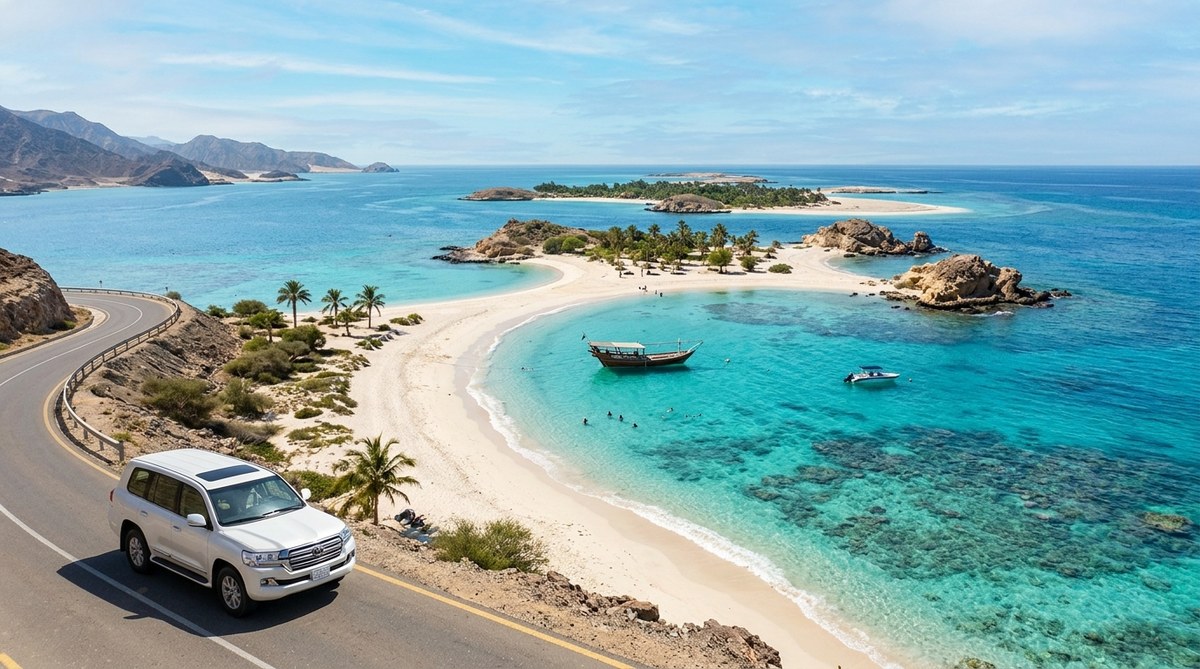
    Saudi Arabia controls over 1,800 kilometers of Red Sea coastline. That’s more shoreline than Egypt and Jordan combined.

    The difference shows underwater. Coral systems here face less pressure from tourism. Reef structures remain intact. Fish populations thrive without constant human presence.

    Visibility regularly exceeds 30 meters. Water temperatures stay comfortable between 23°C and 29°C depending on season. Currents tend to be mild along most of the coast, making conditions manageable for intermediate divers.

    The Saudi government has designated several marine protected areas along the coast. These zones restrict fishing and development, creating natural sanctuaries where marine life flourishes.

    Top dive sites along the Saudi coast

    The Ultimate Guide to Red Sea Diving in Saudi Arabia: Best Sites and What to Expect - Illustration 1

    Farasan Islands

    Located off Jazan in the southern Red Sea, the Farasan archipelago consists of over 170 islands. Only a handful see regular human activity.

    The underwater landscape features dramatic drop-offs, coral gardens, and cleaning stations frequented by manta rays. Whale sharks pass through between March and May.

    Getting there requires a ferry from Jazan or a liveaboard departure. Shore diving is possible on several islands, though boat diving opens up the best sites.

    Water temperatures run warmer here than northern sites, averaging 26°C to 29°C most of the year.

    Yanbu

    This industrial port city might not look promising from land, but the offshore waters tell a different story.

    Yanbu’s main attractions are wrecks. Several cargo ships and tankers rest on sandy bottoms between 15 and 35 meters. These artificial reefs attract schools of barracuda, snapper, and occasional hammerheads.

    The SS Iona, a Greek cargo vessel that sank in the 1970s, sits upright at 28 meters. The structure remains largely intact, allowing penetration for properly trained wreck divers.

    Several dive centers operate from Yanbu, offering daily boat trips and PADI courses through advanced levels.

    Jeddah coastline

    Saudi Arabia’s second largest city serves as the gateway for most international dive travelers. The airport handles direct flights from Europe, Asia, and the Middle East.

    Reef diving here centers on fringing coral systems 20 to 45 minutes by boat from shore. Sites range from shallow gardens at 8 meters to walls that plunge past 40 meters.

    Soft corals dominate many sites, creating colorful landscapes in shades of purple, orange, and yellow. Hard coral formations provide structure and habitat for reef fish.

    Night diving reveals different species. Octopus, Spanish dancers, and hunting lionfish emerge after sunset.

    Al Lith

    This small coastal town sits roughly halfway between Jeddah and Jazan. The area sees fewer divers than other regions, which means healthier reefs and more wildlife encounters.

    Turtle populations are particularly strong here. Green and hawksbill turtles feed on seagrass beds and rest on coral outcrops. Seeing multiple turtles on a single dive happens regularly.

    The reef structure includes both shallow plateaus and deeper walls. Currents can pick up on exposed sites, bringing nutrients and attracting pelagic species.

    Accommodation options are limited compared to Jeddah or Yanbu. Most visitors stay in simple hotels or camp near the beach.

    What you’ll encounter underwater

    Marine Life Category Common Species Best Season
    Sharks Hammerhead, reef sharks, whale sharks March to May
    Rays Manta, eagle, stingray Year round
    Turtles Green, hawksbill Year round
    Reef fish Anthias, butterflyfish, grouper, snapper Year round
    Macro life Nudibranchs, shrimp, octopus Year round

    The Red Sea’s unique geography creates high salinity and warm temperatures. These conditions favor coral growth and support diverse ecosystems.

    Hard corals build the reef framework. Species like Acropora and Porites create branching structures that shelter smaller fish. Massive brain corals can reach several meters in diameter.

    Soft corals add color and movement. They extend polyps to feed when currents bring plankton. Photographers love these subjects for their vibrant hues.

    Fish populations include both resident species and seasonal visitors. Schools of fusiliers and snappers hover above reef tops. Groupers hide in crevices. Moray eels peer from holes.

    Larger animals appear less predictably but often enough to make every dive exciting. Dolphins sometimes approach divers out of curiosity. Manta rays glide past cleaning stations. Hammerheads patrol deeper walls.

    “The Saudi Red Sea feels like stepping back in time. Reefs look the way they did in Egypt 40 years ago, before mass tourism changed everything. If you want to see the Red Sea in its natural state, this is your chance.” — Marine biologist and technical diver with 15 years of Red Sea experience

    Best times for red sea diving saudi arabia

    The Ultimate Guide to Red Sea Diving in Saudi Arabia: Best Sites and What to Expect - Illustration 2

    The Saudi Red Sea offers year round diving, but conditions vary by season.

    March through May brings the best visibility and the highest chance of pelagic encounters. Water temperatures climb from winter lows into the comfortable mid-20s Celsius. Whale sharks migrate through southern waters. Manta rays appear at cleaning stations.

    June through August sees the warmest water, often reaching 29°C or higher in shallow areas. Visibility remains excellent. Crowds stay minimal since summer heat deters some travelers. A 3mm wetsuit provides enough thermal protection.

    September through November offers ideal conditions for most divers. Water stays warm from summer heating. Visibility peaks. Weather remains stable with minimal wind.

    December through February brings cooler water temperatures, dropping to 23°C in northern areas. A 5mm wetsuit becomes necessary for longer dives. Visibility stays strong. Fewer tourists mean even emptier dive sites.

    Wind patterns affect surface conditions more than underwater visibility. Strong northerly winds occasionally create choppy seas between December and February, but these periods rarely last more than a few days.

    Practical requirements for diving in Saudi Arabia

    Getting your visa

    Saudi Arabia launched its tourist e-visa program in 2019. Citizens from 49 countries can apply online and receive approval within 24 hours in most cases.

    The visa costs approximately $135 USD and allows stays up to 90 days. Multiple entry is permitted within the one-year validity period.

    Some nationalities still require embassy visas, so check current requirements before booking flights.

    Certification and experience levels

    Most Saudi dive operators require at least Open Water certification. Some sites suit beginners, while others demand advanced skills.

    Wreck penetration requires appropriate training and certification. Wall diving needs good buoyancy control. Drift diving calls for awareness of current conditions.

    If you’re newly certified, stick to shallow reef sites until you build experience. Operators can recommend appropriate sites based on your log book.

    What to pack

    Standard tropical diving gear works for most of the year:

    • 3mm to 5mm wetsuit depending on season
    • Mask, fins, and snorkel
    • Dive computer and backup timing device
    • Surface marker buoy for safety stops
    • Reef-safe sunscreen
    • Underwater camera if desired

    Rental equipment is available at established dive centers, though serious divers prefer their own gear for fit and familiarity.

    Costs and budgeting

    Diving in Saudi Arabia costs more than budget destinations like Egypt or Thailand, but less than premium locations like the Maldives.

    Two-tank boat dives typically run $80 to $120 USD. Liveaboard packages range from $1,200 to $2,500 for a week depending on boat quality and itinerary.

    Accommodation spans budget hotels around $40 per night to international chain properties at $150 and up.

    Food costs vary widely. Local restaurants serve filling meals for $8 to $15. Hotel dining and Western restaurants charge $25 to $50 per person.

    Choosing between liveaboards and shore-based diving

    Liveaboard advantages

    Boats reach remote sites impossible to access from shore. You’ll spend more time underwater and less time commuting. Multiple dives per day maximize your trip.

    Saudi liveaboards currently operate limited itineraries compared to Egypt, but options are expanding. Most trips run 7 to 10 days and cover either northern or southern regions.

    Boats range from basic to luxury. Check recent reviews before booking since the industry is still developing.

    Shore-based benefits

    Staying on land costs less than liveaboards. You control your schedule and can skip dives if you want rest days. Non-diving companions have more to do.

    Jeddah and Yanbu offer the best shore-based infrastructure. Multiple operators run daily boats. Hotels and restaurants provide variety.

    This approach works well for shorter trips or if you want to combine diving with cultural exploration.

    Safety considerations

    Saudi Arabia’s dive industry follows international standards, but the infrastructure is newer than established destinations.

    1. Choose operators with current safety certifications and well-maintained equipment.
    2. Check that boats carry oxygen, first aid kits, and communication devices.
    3. Confirm the location of the nearest hyperbaric chamber before your trip.
    4. Consider dive insurance that covers evacuation and chamber treatment.
    5. Stay conservative with depth and bottom time, especially on multi-dive days.

    The nearest chambers operate in Jeddah and Yanbu. Remote areas like Farasan Islands sit hours from advanced medical care.

    Cell coverage extends along most coastal areas but can be spotty offshore. Satellite communication provides backup on properly equipped boats.

    Beyond diving activities

    Many visitors combine underwater time with cultural experiences:

    • Historic Jeddah’s UNESCO-listed old town features coral stone architecture
    • Desert trips from coastal cities reach stunning landscapes
    • Traditional souks sell spices, textiles, and handicrafts
    • Red Sea beaches offer swimming and snorkeling for non-divers

    Saudi culture differs significantly from Western norms. Modest dress is expected in public. Alcohol is prohibited throughout the country. Prayer times affect business hours.

    Respect for local customs makes travel smoother and more rewarding. Most Saudis welcome tourists and appreciate genuine interest in their culture.

    Common mistakes to avoid

    Mistake Why It’s Problematic Better Approach
    Visiting in peak summer heat Temperatures exceed 40°C on land Plan for March to May or September to November
    Skipping travel insurance Medical evacuation costs thousands Buy comprehensive coverage before departure
    Overpacking dive days Fatigue increases risk Limit to 3 dives per day maximum
    Ignoring local customs Creates uncomfortable situations Research cultural norms before arrival
    Booking unknown operators Safety standards may be inadequate Choose established centers with reviews

    Making your Saudi Red Sea trip happen

    Start planning at least three months before your intended travel dates. This gives you time to:

    • Research operators and read current reviews
    • Apply for your e-visa
    • Book flights during sale periods
    • Arrange accommodation that fits your budget
    • Get any needed vaccinations
    • Purchase or service dive equipment

    Saudi Arabia’s dive industry is growing rapidly. New operators launch regularly. Liveaboard routes expand. Infrastructure improves.

    This creates both opportunities and challenges. You might find incredible deals as businesses compete for customers. You might also encounter growing pains as the industry matures.

    Reading recent trip reports helps set realistic expectations. Online dive forums and social media groups share current conditions and operator experiences.

    Your chance to see pristine reefs

    Saudi Arabia’s Red Sea offers something increasingly rare in popular dive destinations: healthy coral systems with minimal human impact. The reefs look the way they should, not the way they’ve been altered by decades of tourism.

    This won’t last forever. As word spreads and access improves, more divers will come. That’s not necessarily bad, but it will change the experience.

    Going now means seeing these underwater landscapes in their most natural state. You’ll have sites to yourself. You’ll encounter wildlife that hasn’t learned to avoid bubbles. You’ll create memories of a place that feels genuinely wild.

    The Saudi government has shown commitment to sustainable tourism development. Marine protected areas provide some insurance against overdevelopment. But the clock is ticking on the truly pristine experience.

    If red sea diving saudi arabia has been on your list, this is the time. The infrastructure exists to support safe, comfortable trips. The reefs remain healthy and vibrant. The crowds haven’t arrived yet.

    Pack your gear, apply for that e-visa, and get yourself to the western Saudi coast. The underwater world waiting there deserves to be seen.

  • What to Wear in Saudi Arabia: A Complete Guide to Dress Codes for Tourists

    What to Wear in Saudi Arabia: A Complete Guide to Dress Codes for Tourists

    Planning your first trip to Saudi Arabia brings up one big question: what should you actually pack? The Kingdom has opened its doors to international tourists, but the dress code still confuses many visitors. You want to respect local customs without melting in the desert heat or packing your entire closet.

    Key Takeaway

    Saudi Arabia requires modest clothing for both men and women, but tourists are not legally required to wear abayas or thobes. Women should cover shoulders and knees, avoid tight or sheer fabrics, and carry a scarf for religious sites. Men should skip shorts and sleeveless shirts in public. The dress code is more relaxed in tourist areas, hotels, and private beaches. Pack breathable, loose-fitting clothes in light colors to stay comfortable in the heat.

    Understanding Saudi dress expectations for tourists

    Saudi Arabia has changed dramatically since opening to tourism in 2019. The rules around clothing have relaxed, especially for visitors. But understanding what locals expect will make your trip smoother and more enjoyable.

    Women are no longer required to wear the traditional black abaya. That said, you still need to dress modestly. Think of it like visiting a nice restaurant with a dress code. You wouldn’t show up in a tank top and gym shorts.

    Men face fewer restrictions but still need to keep it modest. The goal is simple: blend in enough that you’re not drawing unwanted attention.

    The climate plays a huge role too. Summer temperatures can hit 45°C (113°F). You need clothes that keep you cool while meeting cultural standards.

    What women should pack and wear

    What to Wear in Saudi Arabia: A Complete Guide to Dress Codes for Tourists - Illustration 1

    Your wardrobe needs to balance coverage with comfort. Here’s what works best:

    Long, loose pants or maxi skirts form your foundation. Linen and cotton breathe better than synthetic fabrics. Palazzo pants work perfectly. So do wide leg trousers.

    For tops, choose shirts that cover your shoulders and reach your hips. Three quarter sleeves or long sleeves protect you from the sun anyway. Tunic style tops give you extra coverage without feeling restrictive.

    A maxi dress becomes your best friend. Pick ones with sleeves or wear a light cardigan over sleeveless styles. Wrap dresses work well because you can adjust the fit.

    Bring at least two scarves. You’ll need one for religious sites like mosques. The other serves as backup or extra sun protection. Lightweight cotton or chiffon scarves won’t make you overheat.

    Your footwear can be casual. Sandals, sneakers, and flats all work. Save the flip flops for the hotel pool.

    For swimwear, hotels and private beaches allow regular bikinis and one pieces. Public beaches require more coverage. A rash guard and swim leggings solve this problem.

    Pack clothes in light colors like white, beige, and pastels. They reflect heat better than dark fabrics. Black might be traditional, but it absorbs every ray of desert sun.

    What men should pack and wear

    Men have it easier, but you still need to think about your choices.

    Long pants are your standard. Jeans work fine. So do chinos and lightweight travel pants. Shorts are technically allowed now in some tourist areas, but they’re not common. Stick to pants for most situations.

    Collared shirts and t-shirts both work. Just make sure your shirts have sleeves. Tank tops and muscle shirts don’t fly in public spaces.

    Your shoes can be casual. Sneakers, loafers, and sandals all work. Closed toe shoes make sense for walking around historical sites.

    At the beach or pool, regular swim trunks are fine. Just throw on a shirt when you leave the water area.

    A light jacket helps in overly air conditioned malls and restaurants. It also works for cooler desert evenings.

    Dressing for different locations and activities

    What to Wear in Saudi Arabia: A Complete Guide to Dress Codes for Tourists - Illustration 2

    Where you’re going matters as much as what you’re wearing.

    Religious and historical sites

    Mosques require the strictest dress code. Women must cover their hair, arms, and legs completely. Many mosques provide abayas at the entrance if you need one. Men need long pants and shirts with sleeves.

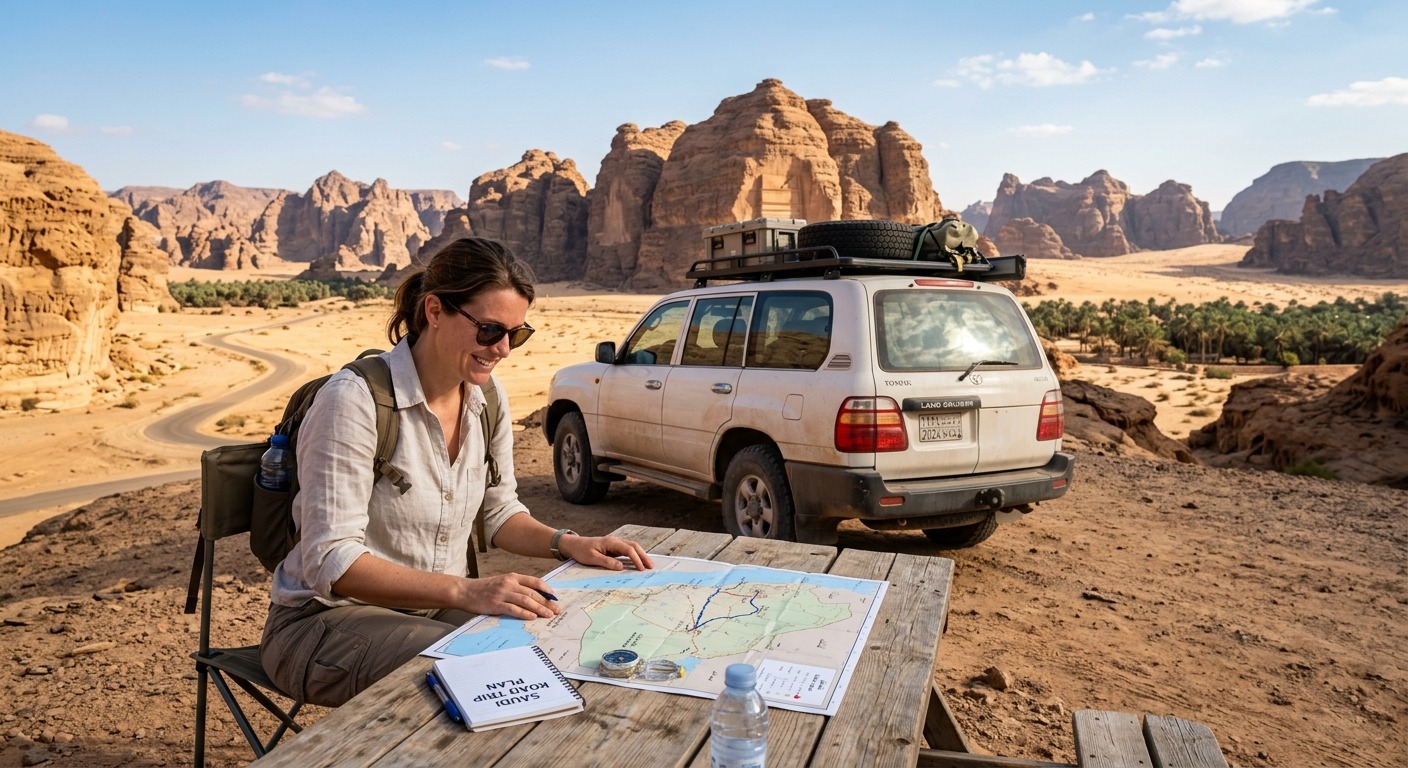
    Historical sites like Diriyah and Al Ula are more relaxed but still expect modest coverage. Long pants and covered shoulders work for everyone.

    Shopping malls and restaurants

    Malls have become more lenient. You’ll see a mix of traditional dress and modern clothing. Stick to your modest basics and you’ll be fine.

    High end restaurants expect smart casual attire. Think of it like dining out in any major city.

    Hotels and resorts

    Hotel properties are the most relaxed spaces. You can wear regular resort wear around the pool and beach areas. Shorts, swimsuits, and casual clothes all work here.

    Some luxury hotels even have bars and lounges where dress codes match international standards.

    Desert tours and outdoor activities

    Loose, breathable clothes work best for desert adventures. Long sleeves actually protect you from sun exposure better than sunscreen alone.

    Bring a hat, sunglasses, and closed toe shoes for desert activities. Sand gets everywhere, and you’ll want foot protection.

    Seasonal clothing considerations

    Saudi Arabia has two main seasons: hot and hotter.

    Winter months (November to February)

    Temperatures drop to 15-25°C (59-77°F). This is the comfortable season. You can still wear your modest basics, but you might want:

    • A light jacket for evenings
    • Long sleeve shirts without feeling like you’re melting
    • Closed toe shoes without sweaty feet

    Summer months (May to September)

    Prepare for intense heat. Temperatures regularly exceed 40°C (104°F). Your strategy shifts to survival mode:

    • Lightest fabrics possible
    • Loose fits that allow air circulation
    • Multiple outfit changes because you will sweat
    • Extra scarves to wipe your face

    Shoulder seasons (March, April, October)

    These months offer the best weather. Warm but not unbearable. Pack your standard modest clothing without needing special heat management strategies.

    Common clothing mistakes tourists make

    Learning from others’ errors saves you hassle.

    Mistake Why It’s a Problem Better Choice
    Packing only black clothes Absorbs heat, makes you miserable Light colors in breathable fabrics
    Bringing just tight fitting clothes Draws attention, uncomfortable in heat Loose, flowy garments
    Forgetting a scarf Can’t enter mosques, miss important sites Always pack 2-3 scarves
    Wearing shorts everywhere Culturally inappropriate in most places Long pants or maxi skirts
    Packing heavy fabrics You’ll overheat within minutes Linen, cotton, moisture wicking materials
    Bringing only heels Impractical for walking tours Comfortable flats or sneakers

    Shopping for clothes in Saudi Arabia

    You don’t need to pack perfectly. Saudi malls stock international brands and local options.

    Major cities have Zara, H&M, and Mango. You’ll find modest clothing options that work for tourists and locals alike.

    Traditional souqs sell abayas, thobes, and scarves at good prices. Buying an abaya can be practical. They’re easy to throw on over any outfit when visiting conservative areas.

    Sizes generally follow international standards. Most staff speak English in major shopping areas.

    What kids should wear

    Children face more relaxed expectations, but modest clothing still makes sense.

    For girls, leggings with long tunics work perfectly. So do maxi dresses and loose pants. Young girls under puberty have more flexibility, but teaching modest dress habits helps them feel comfortable.

    Boys can wear regular t-shirts and long pants. Shorts are more accepted for young boys, especially in tourist areas and hotels.

    Comfortable shoes matter most for kids. You’ll be walking a lot. Sneakers beat sandals for active sightseeing.

    Packing your Saudi Arabia wardrobe

    Here’s a practical packing list for a one week trip:

    For women:

    1. 3-4 pairs of long pants or maxi skirts
    2. 5-6 modest tops with sleeves
    3. 2 maxi dresses
    4. 2-3 scarves
    5. 1 light cardigan or jacket
    6. Comfortable walking shoes
    7. Sandals for casual wear
    8. Swimwear plus cover up
    9. Undergarments and sleepwear

    For men:

    1. 4-5 pairs of long pants
    2. 5-6 shirts (mix of collared and casual)
    3. 1 light jacket
    4. Comfortable walking shoes
    5. Casual shoes or sandals
    6. Swim trunks
    7. Undergarments and sleepwear

    For everyone:

    • Sunglasses and hat
    • Sunscreen
    • Reusable water bottle
    • Small day bag

    Accessories and personal items

    Jewelry and accessories follow no special restrictions. Wear what you normally would.

    Makeup is completely fine. You’ll see local women wearing full makeup. Some wear more dramatic looks than you’d see in Western countries.

    Perfume and cologne are popular in Saudi culture. Locals love fragrance. You won’t offend anyone by wearing your favorite scent.

    Bags and purses can be any style. Crossbody bags work well for keeping your hands free while sightseeing.

    Watches and tech accessories are normal. You’ll see smartphones everywhere.

    Adapting your style while respecting culture

    You can still express your personal style within modest guidelines.

    Love bright colors? Go for it. Saudis appreciate color and pattern.

    Prefer minimalist style? Neutral tones and clean lines work beautifully.

    Into bohemian looks? Flowy fabrics and loose silhouettes fit perfectly with modest requirements.

    The key is working within the framework rather than fighting it. Think of it as a creative challenge instead of a restriction.

    Practical tips for staying comfortable

    Comfort matters as much as cultural appropriateness.

    Layer strategically. Indoor spaces blast air conditioning. You’ll go from 45°C outside to 18°C inside. A light cardigan or scarf helps with the temperature shock.

    Choose moisture wicking fabrics. Modern athletic fabrics designed for modest wear work amazingly well. They keep you dry and comfortable.

    Bring extra outfit options. You might change clothes twice a day in summer. Pack more than you think you need.

    Test your clothes before the trip. Wear your planned outfits around your house. Make sure nothing rides up, gaps open, or feels restrictive when you sit, bend, or walk.

    Break in your shoes. New shoes plus lots of walking equals blisters. Wear your travel shoes for a few weeks before your trip.

    Special considerations for business travelers

    Business dress codes in Saudi Arabia lean conservative but professional.

    Women should wear business suits with long sleeves and pants or long skirts. A blazer over a modest dress works too. Closed toe shoes are standard.

    Men should wear business suits for formal meetings. Long sleeve dress shirts with dress pants work for less formal business settings. Ties are common but not always required.

    International business standards apply in most corporate environments. You’ll see a mix of traditional Saudi dress and Western business attire.

    Your wardrobe sets the tone for your trip

    Getting your clothing right from the start lets you focus on experiencing Saudi Arabia instead of worrying about your outfit choices. You’ll feel more confident approaching locals, entering religious sites, and moving through different environments.

    The dress code isn’t meant to restrict you. It’s simply part of showing respect for a culture that values modesty. Once you’ve packed the right clothes, you can stop thinking about what you’re wearing and start enjoying everything this fascinating country offers. Your thoughtful preparation shows cultural awareness that Saudis genuinely appreciate.

  • How to Apply for Your Saudi Arabia E-Visa in Under 10 Minutes

    How to Apply for Your Saudi Arabia E-Visa in Under 10 Minutes

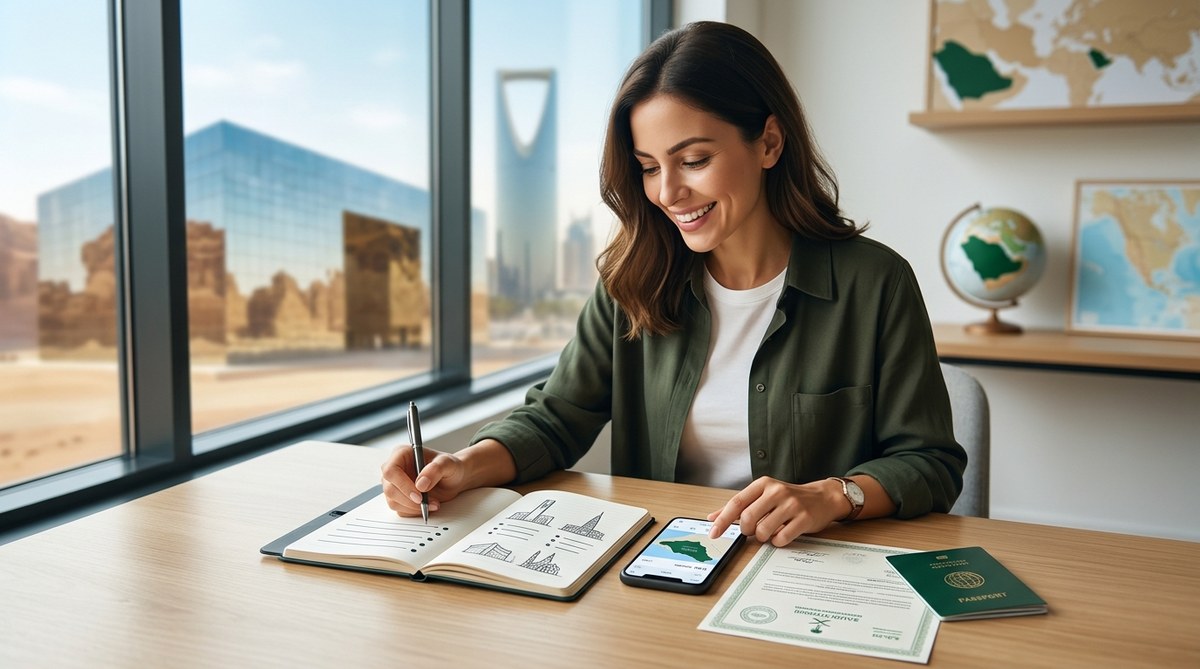
    Planning a trip to Saudi Arabia used to mean hours at an embassy, stacks of paperwork, and weeks of waiting. Not anymore. The kingdom opened its doors to international tourists in 2019, and the online visa system has transformed how travelers get permission to visit. You can now complete your entire saudi arabia evisa application from your laptop or phone, often receiving approval within minutes.

    Key Takeaway

    Saudi Arabia’s electronic visa system allows eligible travelers to apply online without visiting an embassy. The application takes about 10 minutes to complete, requires a valid passport and payment card, and typically delivers approval within 5 to 30 minutes. The eVisa permits multiple entries over one year, with stays up to 90 days total.

    Who can apply for the Saudi eVisa

    Before you start your application, check if your nationality qualifies. Saudi Arabia offers the eVisa to citizens from 66 countries across North America, Europe, Asia, and Oceania.

    US, UK, Canadian, Australian, and most European Union passport holders can apply. Asian countries like Japan, South Korea, Singapore, Malaysia, and China also qualify. The full list includes New Zealand, Russia, Ukraine, and several South American nations.

    If your country isn’t on the eligible list, you’ll need to apply through a Saudi embassy or consulate instead. The eVisa system only works for tourism purposes. Business trips, work, study, or Hajj pilgrimages require different visa types with separate application processes.

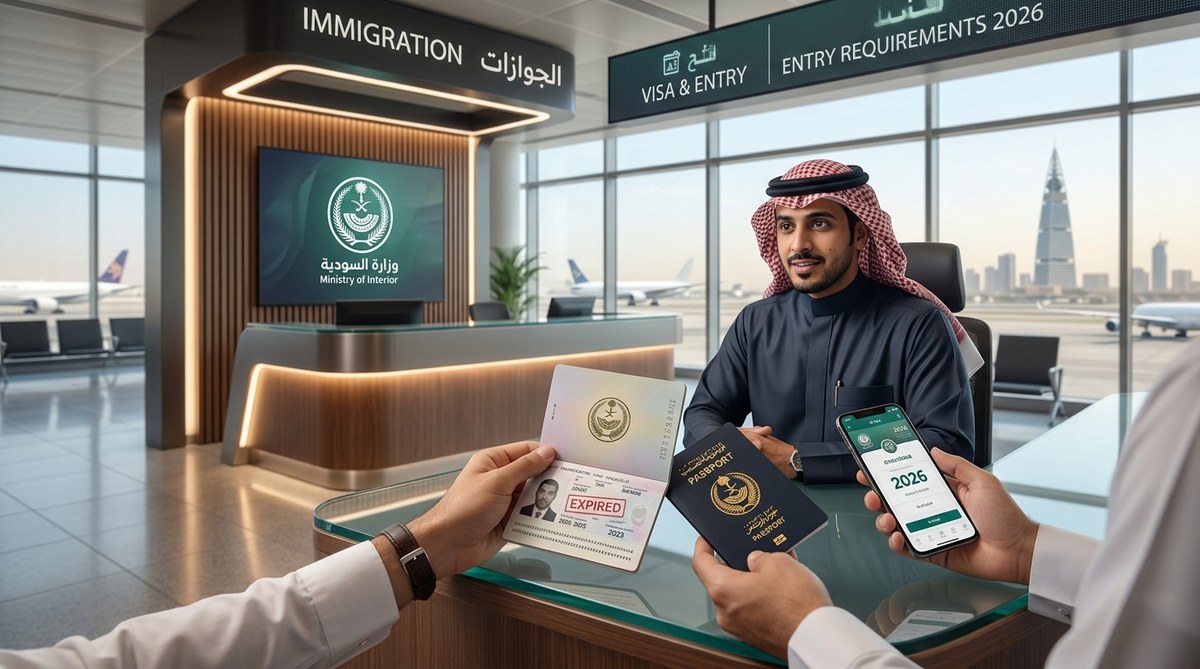
    Your passport needs at least six months of validity from your planned entry date. Passports expiring sooner will trigger an automatic rejection, even if you complete every other step perfectly.

    What you need before starting

    How to Apply for Your Saudi Arabia E-Visa in Under 10 Minutes - Illustration 1

    Gather these items before opening the application portal. Having everything ready saves time and prevents errors that delay approval.

    • Valid passport with six months remaining validity
    • Recent digital passport photo (white background, taken within the last six months)
    • Email address you check regularly
    • Credit or debit card for payment (Visa, Mastercard, or UnionPay accepted)
    • Travel insurance covering your Saudi Arabia dates (required for approval)
    • Accommodation details or invitation letter

    The passport photo causes the most rejections. Take a new photo against a plain white wall, facing forward with neutral expression. No glasses, hats, or filters. Phone photos work fine if the lighting is good and the background is completely white.

    Travel insurance must cover medical expenses and repatriation. Many applicants forget this requirement and face delays. Purchase a policy before starting your application, not after.

    Step by step application process

    The saudi arabia evisa application follows a straightforward sequence. Each screen asks for specific information, and you can’t skip ahead or save progress midway.

    1. Visit the official Saudi eVisa portal at visa.visitsaudi.com
    2. Select “Apply for Tourist Visa” and choose your nationality
    3. Enter your personal information exactly as shown on your passport
    4. Upload your passport photo and passport data page scan
    5. Provide your travel insurance policy number and dates
    6. Enter accommodation details or host information
    7. Answer security and health screening questions
    8. Review all information for accuracy
    9. Pay the visa fee using your credit or debit card
    10. Receive confirmation email with application reference number

    The entire process typically takes 8 to 12 minutes if you have all documents ready. Rushing through the forms leads to typos that can trigger rejections, so double check every field before moving forward.

    Your passport data must match exactly. If your passport shows “Michael” but you enter “Mike,” the system flags it as inconsistent. Middle names, suffixes, and spacing all matter.

    Understanding fees and processing times

    How to Apply for Your Saudi Arabia E-Visa in Under 10 Minutes - Illustration 2

    The standard tourist eVisa costs 300 Saudi Riyals (about $80 USD) plus a 140 Riyal health insurance fee. This totals roughly $120 USD depending on exchange rates. The fee covers a one year multiple entry visa.

    Payment happens through the portal using major credit cards. Some travelers report their banks flagging the international charge as suspicious, so notify your card issuer before applying if you’ve had fraud alerts in the past.

    Most applications receive approval within 5 to 30 minutes. The automated system checks your information against immigration databases and approves eligible applicants instantly. Complex cases requiring manual review can take 24 to 72 hours.

    You’ll receive an email when your application status changes. Check your spam folder if nothing arrives within an hour. The approval email contains your eVisa as a PDF attachment.

    Print your eVisa before traveling, even though it’s stored electronically. Immigration officers at Saudi airports sometimes request physical copies, and having one prevents delays at passport control.

    Common mistakes that delay approval

    Certain errors appear repeatedly in rejected applications. Avoiding these issues increases your chances of instant approval.

    Mistake Why it matters How to fix it
    Expired or nearly expired passport System auto-rejects passports under 6 months validity Renew passport before applying
    Poor quality photo Automated face recognition fails Use proper lighting, white background, recent image
    Typos in personal information Name mismatch triggers security flags Triple check against passport, copy-paste when possible
    Missing travel insurance Required field for approval Purchase policy first, have policy number ready
    Wrong visa type selected Tourist visa doesn’t cover work or study Confirm purpose matches tourist activities
    Incomplete payment Transaction timeout or card decline Use reliable card, complete payment in one session

    The photo upload causes the most frustration. The system uses facial recognition to match your photo against your passport. Shadows, angles, or backgrounds that aren’t pure white confuse the algorithm. Take three or four options and upload the clearest one.

    Some applicants try to save money by selecting “no accommodation” and planning to book later. This triggers additional scrutiny. Have at least your first night’s hotel reservation ready, even if you haven’t booked your entire trip.

    What your approved eVisa allows

    The Saudi tourist eVisa grants multiple entries over 12 months from the issue date. Each stay can last up to 90 days, but your total time in Saudi Arabia cannot exceed 90 days within the visa year.

    This means you could visit for 30 days in January, return for 20 days in June, and come back for 40 days in November, all on the same eVisa. Or you could stay for the full 90 days in one trip. The flexibility helps travelers who want to see different regions across multiple visits.

    Your eVisa permits tourism activities like sightseeing, visiting family or friends, attending cultural events, and recreational travel. It does not allow paid work, business meetings, or religious pilgrimages to Mecca and Medina (which require separate Umrah or Hajj visas).

    You can enter through any Saudi airport, seaport, or land border crossing. The eVisa works at all official entry points, unlike some visa types restricted to specific airports.

    Checking your application status

    After submitting your application, you can track its progress using your reference number. The confirmation email includes this number along with a link to the status page.

    Status updates appear as:
    – Application received
    – Under review
    – Approved
    – Rejected

    Most applicants never see “under review” because the system approves them instantly. If your application shows this status for more than 24 hours, contact the support team through the portal’s help section.

    Rejections are rare for eligible nationalities with correct information. Common rejection reasons include passport validity issues, photo problems, or security concerns. The system provides a reason code explaining why your application wasn’t approved.

    You can reapply immediately after fixing the issue that caused rejection. There’s no waiting period, but you’ll need to pay the full fee again.

    Arriving in Saudi Arabia with your eVisa

    Immigration procedures at Saudi airports have streamlined significantly. Most airports now use electronic gates that scan your passport and verify your eVisa automatically.

    Have these items ready when you land:
    – Passport (the same one used for your eVisa application)
    – Printed copy of your eVisa approval
    – Return flight ticket
    – Proof of accommodation
    – Travel insurance documentation

    Officers may ask about your plans in Saudi Arabia. Simple, honest answers work best. “Visiting Riyadh and Jeddah for tourism” or “seeing historical sites in AlUla” suffice. Detailed itineraries aren’t necessary.

    First time visitors sometimes worry about customs and cultural rules. Saudi Arabia has relaxed many restrictions for tourists. Women no longer need to wear abayas (though modest clothing is still expected), and unmarried couples can share hotel rooms. Alcohol remains prohibited, and public displays of affection should be avoided.

    Your eVisa doesn’t guarantee entry. Immigration officers retain final authority to deny admission if they suspect visa misuse or have security concerns. This rarely happens to legitimate tourists with proper documentation.

    Extending your stay beyond 90 days

    The standard tourist eVisa cannot be extended beyond its 90 day limit. If you want to stay longer, you must leave Saudi Arabia and apply for a new visa.

    Some travelers exit to nearby countries like Bahrain, UAE, or Jordan for a few days, then return on their existing eVisa if it hasn’t expired and they haven’t used all 90 days. This works legally but requires careful tracking of your total days spent in the kingdom.

    For longer stays exceeding 90 days total, consider:
    – Applying for a different visa type if you qualify (work, study, or residence)
    – Planning multiple shorter trips across different years
    – Consulting with Saudi immigration about special circumstances

    Business travelers often confuse the tourist eVisa with business visa requirements. If you’re attending meetings, conferences, or conducting any work-related activities, you need a business visa sponsored by a Saudi company, not the tourist eVisa.

    Your visa journey starts here

    The saudi arabia evisa application removes the biggest barrier that kept travelers away from one of the Middle East’s most fascinating destinations. What used to require embassy visits and weeks of waiting now happens in minutes from anywhere with internet access.

    Start by confirming your nationality qualifies, gather your documents, and set aside 15 minutes of uninterrupted time. The application itself is straightforward, and approval typically arrives before you finish your coffee. Print your eVisa, pack your bags, and get ready to see a country that’s opening up to the world in remarkable ways.

  • 15 Hidden Gems in Saudi Arabia That Most Tourists Never Discover

    15 Hidden Gems in Saudi Arabia That Most Tourists Never Discover

    Saudi Arabia has opened its doors to international travelers, but most visitors stick to the same handful of popular sites. They miss the volcanic craters, forgotten villages, and turquoise coastlines that locals have cherished for generations.

    Key Takeaway

    Saudi Arabia’s hidden gems stretch from the Red Sea islands teeming with marine life to desert canyons carved by ancient rivers. These fifteen destinations offer adventure seekers authentic cultural encounters, dramatic landscapes, and historical sites without the tourist crowds. Most require advance planning, proper permits, and local guides, but reward travelers with experiences impossible to find anywhere else on earth.

    Al Disah Valley Reveals Jordan’s Twin

    Towering sandstone cliffs frame this valley in the Tabuk region, creating a landscape that rivals Wadi Rum. Palm groves and natural springs dot the canyon floor, fed by underground water sources that have sustained Bedouin communities for centuries.

    The valley stretches for several kilometers, with rock formations that change color throughout the day. Morning light paints them gold and amber, while sunset transforms them into deep crimson.

    You’ll need a 4×4 vehicle to reach the valley entrance. The dirt road from Tabuk takes about two hours, passing through desert terrain that gradually gives way to dramatic rock walls.

    Local guides offer overnight camping experiences. You’ll sleep under stars so bright they cast shadows, wake to the sound of birds in the palm trees, and enjoy traditional coffee prepared over an open fire.

    Farasan Islands Protect Marine Treasures

    15 Hidden Gems in Saudi Arabia That Most Tourists Never Discover - Illustration 1

    This archipelago in the Red Sea remains largely unknown to international tourists. The islands shelter some of the world’s most pristine coral reefs, plus populations of endangered dugongs and sea turtles.

    The main island features Ottoman-era buildings constructed from coral stone. These structures showcase architectural techniques adapted to the tropical climate, with high ceilings and wind towers that create natural ventilation.

    Getting there requires a ferry from Jizan, which runs several times weekly. The journey takes about three hours across waters where dolphins often swim alongside the boat.

    Snorkeling and diving here surpass many famous Red Sea destinations. The reefs remain healthy and vibrant, with visibility often exceeding 30 meters. You’ll spot manta rays, reef sharks, and hundreds of tropical fish species.

    Bird watchers flock here during migration seasons. The islands serve as a crucial stopover for species traveling between Africa and Asia.

    Rijal Almaa Stands Frozen in Time

    This mountain village in the Asir region showcases traditional architecture that has survived for over 900 years. Multi-story buildings rise from the hillside, constructed from stone and decorated with white quartz bands that create striking geometric patterns.

    The village now operates as a living museum. Local families maintain their ancestral homes and demonstrate traditional crafts like basket weaving and pottery.

    Each building features a unique design, but all share common elements adapted to the mountain climate. Ground floors housed livestock, middle floors served as living quarters, and top floors stored grain and dried foods.

    The village museum displays artifacts spanning centuries of daily life. You’ll see traditional clothing, farming tools, jewelry, and household items that tell the story of mountain communities adapting to harsh conditions.

    Visit during the flower season (March through May) when the surrounding terraced farms burst into bloom. The contrast between ancient stone buildings and vibrant wildflowers creates unforgettable photo opportunities.

    Jubbah Rock Art Preserves 10,000 Years of History

    15 Hidden Gems in Saudi Arabia That Most Tourists Never Discover - Illustration 2

    UNESCO recognizes this site for rock carvings and inscriptions that span multiple civilizations. The artwork depicts hunting scenes, domesticated animals, and human figures that document the region’s transformation from savanna to desert.

    The carvings cluster around what was once a large lake. Ancient peoples gathered here when the Arabian Peninsula received far more rainfall than today.

    Some images show animals that no longer exist in Arabia. Lions, cheetahs, and oryx appear alongside extinct species, providing evidence of dramatic climate change.

    You’ll find the site near the town of Jubbah in the Hail region. A small museum at the entrance provides context and explains the different artistic periods represented.

    The best time to photograph the carvings is early morning or late afternoon. Angled sunlight makes the images stand out more clearly against the rock face.

    Wadi Lajab Offers Canyon Adventures

    This narrow gorge in the Jizan region features rushing water year-round, fed by mountain springs that create waterfalls and pools. The canyon walls rise over 200 meters, creating a cool microclimate even during summer.

    The wadi requires wading through knee-deep water in some sections. Wear appropriate footwear and bring waterproof bags for your electronics and valuables.

    Local guides lead groups through the canyon, pointing out geological features and explaining how seasonal floods have carved the landscape. The journey takes about three hours round trip.

    Swimming is possible in several deep pools. The water stays refreshingly cold, filtered through layers of rock that remove impurities.

    Families with children can enjoy the first section without committing to the full trek. The entrance area features shallow pools and picnic spots under shade trees.

    Ushaiger Heritage Village Welcomes Explorers

    This restored settlement in the Najd region demonstrates traditional central Arabian architecture. Mud-brick buildings cluster along narrow alleys designed to provide shade and channel cooling breezes.

    The village served as an important stop on pilgrimage routes. Wealthy merchants built elaborate homes here, featuring decorated doorways and private courtyards.

    Several buildings now operate as small museums. You can see traditional Najdi furnishings, kitchen equipment, and the ingenious ventilation systems that made desert life bearable.

    The village hosts cultural festivals throughout the year. These events feature traditional music, poetry, and demonstrations of crafts like coffee roasting and date preparation.

    A local cafe serves authentic Najdi cuisine. Try the jareesh (crushed wheat porridge) and mathlotha (sweet dumplings) prepared using recipes passed down through generations.

    Marble Village Gleams in Mountain Light

    Al Habala village clings to a cliff face in the Asir region, accessible originally only by rope ladders. The nickname comes from the white stone used in construction, which reflects sunlight like polished marble.

    The village was abandoned in the 1980s when residents moved to more accessible locations. Recent restoration efforts have preserved the unique hanging architecture.

    A cable car now provides access, descending the cliff face to reach the village entrance. The ride offers vertigo-inducing views of the valley below.

    Walking through the village feels like stepping into another era. Stone houses perch on narrow ledges, connected by steep pathways carved into the rock.

    The surrounding area offers excellent hiking. Trails wind through juniper forests and terraced farms where locals still grow coffee and fruit trees.

    Tayma Oasis Guards Ancient Secrets

    This oasis town in northwestern Saudi Arabia contains archaeological sites spanning thousands of years. The most famous is a massive carved stone basin called Bir Haddaj, which still holds water.

    Cuneiform inscriptions found here mention Tayma in Babylonian records. The town served as a regional capital under King Nabonidus in the 6th century BCE.

    The old town features traditional architecture built from local stone. Many buildings remain inhabited, creating a living connection to the past.

    A modern museum showcases artifacts discovered in the area. The collection includes pottery, tools, jewelry, and inscriptions in multiple ancient languages.

    The surrounding desert contains rock art sites and ancient tombs. Guided tours can arrange visits to these locations with proper permits.

    Al Wahbah Crater Creates Desert Wonder

    This volcanic crater measures 2 kilometers across and 250 meters deep. The floor contains salt deposits that create a brilliant white surface, contrasting sharply with the dark volcanic rim.

    The crater formed thousands of years ago through volcanic activity. Geologists believe a magma chamber collapsed, creating the distinctive circular depression.

    Hiking to the crater floor takes about 45 minutes down a steep trail. The climb back up requires good fitness, especially during warmer months.

    The salt crystals at the bottom create otherworldly patterns. After rare rainfalls, a temporary lake forms, attracting migrating birds.

    Visit during cooler months (November through February) for the most comfortable experience. Summer temperatures on the crater floor can exceed 45°C.

    Dumat Al Jandal Bridges Civilizations

    This ancient city in the Al Jouf region features ruins spanning from Nabataean times through the Islamic era. The most prominent structure is Marid Castle, built from local stone and standing guard over the oasis for over 2,000 years.

    The adjacent Omar Mosque dates to the early Islamic period. Its distinctive leaning minaret has survived earthquakes and wars, though experts debate why it tilts.

    The old town surrounds these monuments, with traditional houses built from mud brick and palm wood. Many families still occupy these homes, maintaining traditional lifestyles.

    An ancient lake once covered the area. Archaeological evidence shows human settlement here for over 10,000 years, making it one of Arabia’s oldest continuously inhabited locations.

    The nearby Rajajil standing stones predate Stonehenge. These mysterious pillars stand in groups across the desert, their purpose still debated by archaeologists.

    Harrat Khaybar Showcases Volcanic Landscapes

    This volcanic field covers over 14,000 square kilometers with lava flows, cinder cones, and crater formations. Some eruptions occurred as recently as 1,000 years ago, creating landscapes that look almost lunar.

    The area contains hundreds of volcanic features. White and black lava flows create striking color contrasts, while collapsed lava tubes form caves and tunnels.

    Exploring requires a capable 4×4 vehicle and preferably a local guide. The terrain is rough, and many interesting features lie far from paved roads.

    One highlight is a massive crater with a white salt flat at its base. The surrounding black volcanic rock makes the white center appear to glow.

    Scientists study this region to understand volcanic processes. The relatively young lava flows preserve features that erosion has destroyed in older volcanic fields.

    Khaybar Oasis Remembers Forgotten Empires

    This historic oasis in the Medina region contains ruins from multiple civilizations. Ancient fortresses crown rocky outcrops, while abandoned villages showcase traditional architecture adapted to the harsh climate.

    The oasis supported agriculture for thousands of years. Date palm groves and vegetable gardens still flourish, fed by underground springs.

    Jewish communities lived here before the Islamic era. Archaeological sites preserve synagogues, houses, and fortifications from this period.

    The fortress ruins offer panoramic views of the oasis and surrounding lava fields. Climbing to these vantage points requires sturdy footwear and caution on loose rocks.

    Local guides share stories passed down through generations. They can point out specific buildings and explain their historical significance.

    Yanbu Al Bahr Preserves Maritime Heritage

    Beyond the modern industrial city lies Yanbu Al Bahr, the historic waterfront district. Ottoman-era buildings line narrow streets, while traditional wooden boats still dock at the ancient harbor.

    The area served as a major port for pilgrims arriving by sea. Caravanserais provided accommodation, while souks supplied provisions for the journey inland.

    Several historic houses now operate as museums. They display traditional furnishings, navigation equipment, and artifacts from the pearl diving industry.

    The coral reefs offshore rival those of more famous Red Sea destinations. Diving and snorkeling trips depart daily, accessing sites where you might be the only visitors.

    The fish market operates early each morning. Fishermen sell their overnight catches, including species found nowhere else in the world.

    Najran Valley Blends Cultures

    This southern region borders Yemen, creating a unique cultural blend. The architecture, cuisine, and traditions differ noticeably from central Arabia.

    Al Ukhdood archaeological site contains ruins of a pre-Islamic city. Excavations have revealed sophisticated irrigation systems and evidence of trade with distant civilizations.

    The valley’s mud-brick fortresses demonstrate defensive architecture adapted to the mountainous terrain. Some date back over 500 years and remain partially inhabited.

    Traditional souks sell handicrafts unique to the region. Look for silver jewelry, woven textiles, and pottery using techniques unchanged for centuries.

    The surrounding mountains offer excellent hiking. Trails pass through terraced farms growing coffee, pomegranates, and other crops suited to the elevation.

    Heet Cave Hides Underground Lake

    This massive cave system near Riyadh features an underground lake fed by an aquifer. The main chamber measures over 100 meters across, with a ceiling that rises 30 meters overhead.

    The cave entrance appears as a sinkhole in the desert floor. Stone steps lead down to the water’s edge, where the temperature drops noticeably.

    The lake’s depth remains unknown. Divers have explored portions of the underwater cave system, but many passages remain unmapped.

    Local legends surround the cave. Some stories claim it connects to distant oases through underground rivers.

    Access requires advance permission and coordination with local authorities. The site is protected to preserve its unique ecosystem.

    Planning Your Hidden Gems Journey

    Successfully visiting these remote destinations requires more preparation than typical tourist trips. Here’s how to approach it:

    1. Research visa requirements and obtain necessary permits well in advance of your trip.
    2. Hire local guides for remote locations, especially those requiring off-road driving or navigation through unmarked terrain.
    3. Plan visits during appropriate seasons to avoid extreme temperatures that can make some locations dangerous.
    4. Arrange reliable transportation, preferably 4×4 vehicles for desert and mountain destinations.
    5. Pack appropriate supplies including extra water, sun protection, and emergency communication devices.

    Essential Considerations for Remote Travel

    Different hidden gems present unique challenges. This table helps you match destinations to your capabilities:

    Destination Type Physical Demand Best Season Guide Recommended
    Desert canyons Moderate to high October to March Yes
    Mountain villages Low to moderate Year-round (elevation dependent) Optional
    Island locations Low October to May For diving only
    Archaeological sites Low October to April Helpful but optional
    Volcanic fields Moderate November to February Strongly recommended

    What to Pack Beyond the Basics

    Remote Saudi destinations often lack facilities you might take for granted:

    • Offline maps downloaded to your phone or GPS device
    • Portable phone chargers and backup batteries
    • First aid kit with supplies for cuts, burns, and dehydration
    • Modest clothing that covers shoulders and knees
    • Cash in small denominations (many remote areas lack ATMs)
    • Reusable water bottles with filtration capability
    • Sun protection including hat, sunglasses, and high-SPF sunscreen

    A local guide once told me that the best hidden gems in Saudi Arabia reveal themselves to those who show patience and respect. Rush through, and you’ll see rocks and sand. Slow down, listen to the stories, and you’ll understand why people have treasured these places for thousands of years.

    Common Mistakes That Ruin Hidden Gem Visits

    Many travelers underestimate the challenges of visiting remote Saudi locations. Avoid these errors:

    • Visiting during summer months when temperatures exceed safe limits for outdoor activities
    • Relying solely on phone GPS in areas without cellular coverage
    • Underestimating driving distances and fuel requirements between remote sites
    • Wearing inappropriate footwear for rocky or sandy terrain
    • Failing to inform someone of your itinerary when visiting isolated areas
    • Ignoring local customs regarding photography and interaction with residents

    Combining Multiple Hidden Gems

    Several of these destinations cluster in specific regions, allowing efficient multi-day itineraries:

    Northern Circuit: Combine Dumat Al Jandal, Tayma, and Jubbah rock art in a three-day trip from Tabuk or Hail.

    Asir Mountain Loop: Visit Rijal Almaa, Marble Village, and surrounding mountain attractions in four to five days based from Abha.

    Red Sea Island Hopping: Farasan Islands and Yanbu Al Bahr work well together for a week-long coastal adventure.

    Volcanic Exploration: Harrat Khaybar and Al Wahbah Crater can be combined in a challenging three-day desert expedition.

    Photography Tips for Dramatic Landscapes

    These hidden gems offer incredible photo opportunities if you time them correctly:

    • Arrive at canyon and mountain locations during golden hour (first hour after sunrise or last hour before sunset)
    • Use polarizing filters to enhance the contrast in desert skies and reduce glare from sand and rock
    • Bring a tripod for long exposures in caves and narrow canyons where light levels drop
    • Photograph architectural details in heritage villages during midday when harsh light emphasizes textures
    • Respect local customs by always asking permission before photographing people

    Respecting Sacred and Sensitive Sites

    Some hidden gems hold religious or cultural significance for local communities:

    • Archaeological sites are protected by law. Never remove artifacts or climb on fragile structures.
    • Historic villages often house families maintaining traditional lifestyles. Treat their homes with the same respect you’d want for your own.
    • Some areas restrict access during prayer times or religious observances. Plan accordingly and accept these limitations gracefully.
    • Rock art sites preserve irreplaceable historical records. Never touch the carvings or add your own marks.

    Where Your Adventure Really Begins

    These fifteen locations represent just a fraction of Saudi Arabia’s undiscovered treasures. Each region holds additional sites that few outsiders have visited.

    The country’s tourism infrastructure continues expanding, but these hidden gems reward those who venture beyond the comfortable and familiar. You’ll return with stories your friends haven’t heard and photos they haven’t seen.

    Start with one or two destinations that match your interests and fitness level. Learn from that experience, then plan a more ambitious journey. The hidden gems of Saudi Arabia aren’t going anywhere, but they won’t stay hidden forever.